Home Decor, Lighting, and Furniture Ideas for Every Room
A well-designed home starts with practical choices that fit the way you live. At brandowstore.com, you can explore home decor, lighting, furniture, rugs, mirrors, storage, and accent pieces organized by category, making it easier to compare ideas for living rooms, bedrooms, dining areas, entryways, bathrooms, and outdoor spaces.
Good interior design is not about filling a room with more items. It is about choosing the right balance of function, scale, color, and texture. A ceiling light can define the mood of a space, a table lamp can add warmth to a reading corner, and a mirror can make a smaller room feel brighter and more open. Furniture, storage, and wall decor then help shape the room into something both useful and personal.
Shop Home Decor by Category
Use the categories below to browse products by purpose and room style. You can start with chandeliers, ceiling fans, wall sconces, table lamps, bathroom lighting, cabinets, mirrors, rugs, seating, wall art, and more. Each category is designed to help you move from inspiration to selection without sorting through unrelated products.
- Lighting: Find ceiling lights, sconces, lamps, and outdoor fixtures that improve visibility and atmosphere.
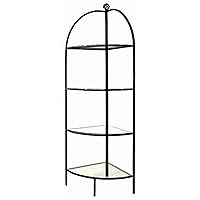
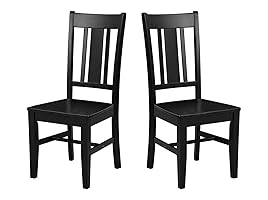
- Furniture and storage: Explore pieces that support daily routines while keeping rooms organized.
- Decor accents: Add character with rugs, mirrors, wall art, fountains, and finishing details.
Whether you are refreshing one corner or planning a full room update, focus on pieces that work together in size, material, and tone. The right combination of lighting and decor can make a home feel more polished, comfortable, and easy to enjoy every day.